
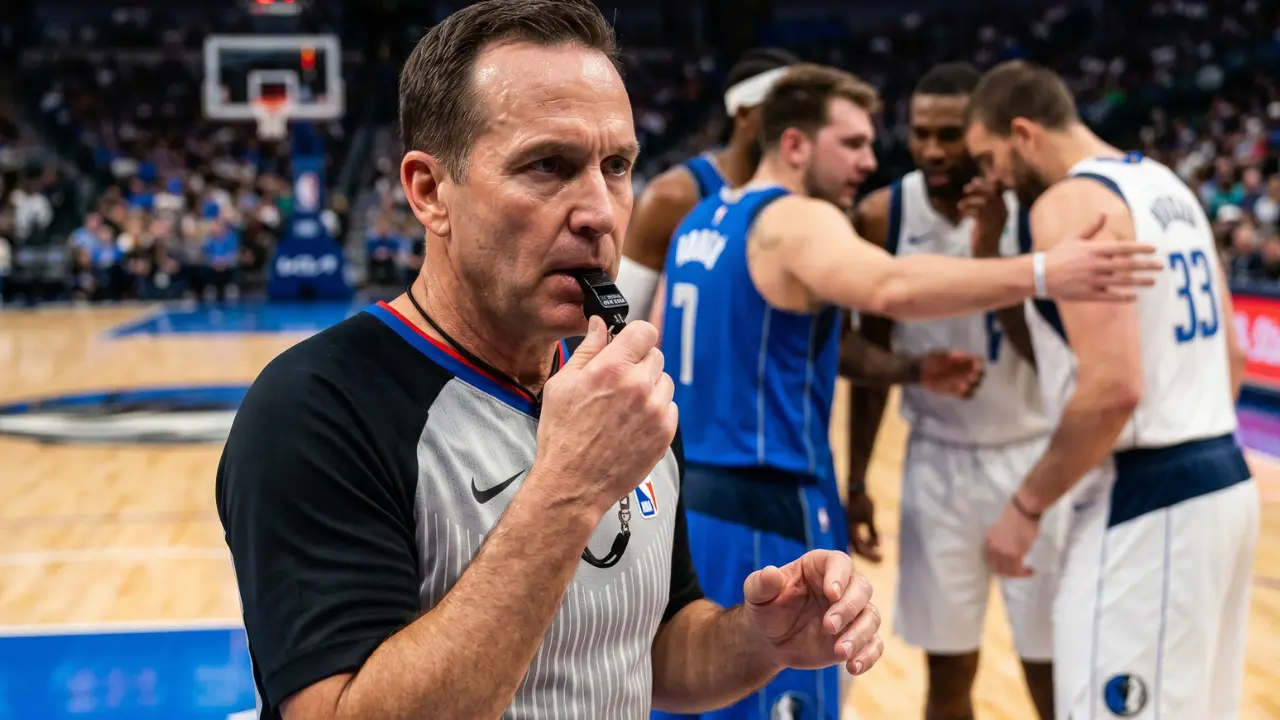
Ever wonder what happens if disaster strikes mid-game? NBA locker rooms hum with strategy, but behind the plays lurk rules so odd they rarely see light. These gems from the league’s rulebook remind us hoops has layers—even vets get caught off guard. Imagine the coach’s face when a “grenade” pass tanks morale. Let’s dive into the obscure side that shapes every dribble.
Confirmed Rules (from official NBA rulebook and verified examples):
Disaster Draft: If 5+ players on a team die or are dismembered, league holds special draft; teams protect only 5 players, no more than 1 from affected team.
Fouled Out Replacement: If down to 4 players (fouls/injuries), must field 5th—even fouled-out player; every foul by them = personal + team + technical foul (3 FTs).
Screen Out of Bounds: Setting screen outside boundary = turnover (not foul); e.g., Thunder in 2012 playoffs.
Substitution Rules: Full timeout = unlimited subs; 20-sec timeout = 1 sub per team (opponent matches); last 2 min 4th/OT = full subs.
No 4+ Points Unless 3+1: Max 3 pts/possession unless fouled on 3 (and-1).
10-Sec Free Throw: Shooter has 10 sec to attempt FT.
Grenade Pass (Unwritten): Passing for low-% shot clock shot = selfish, causes locker tension.
Stepien Rule: Can’t trade 1st-round picks in consecutive years.
Fouled-Out Lifeline Gone Wrong
Picture a team down bad. Fouls flying, injuries piling—suddenly just four guys left. Rule kicks in: You must field five players. That means a fouled-out star returns, but twist—every foul they commit counts triple: personal, team, and technical. Opponents get three free throws on a two-pointer foul, four on threes. Never happened in NBA history, but it’s there, a lifeline laced with pain. Team sources suggest it’s for fairness, yet the emotional toll? A star benched for hacks, now hacking harder—locker tension brews.
Disaster Draft: NBA’s Dark Backup Plan
Shift to chaos beyond the court. What if five players die or suffer “dismemberment”? League activates “Disaster Draft.” Teams protect only five players; others up for grabs, max one per squad from the hit team. Born from dark “what ifs,” it’s never triggered. Human side hits hard: Families shattered, rosters rebuilt amid grief. GMs huddle not on trades, but survival—raw reminder of life’s fragility in pro sports.
Screens That Cost Games
Courtside quirks sting too. Set a screen out of bounds? Turnover, no foul. Oklahoma City learned that in 2012 playoffs—quick whistle, momentum snap. Players freeze, refs point baseline. It’s subtle, but flips possessions. In heated fourth quarters, that error echoes: Teammates glare, coach fumes. One slip, and the rhythm breaks—emotional whiplash no highlight reel shows.
Timeout Traps You Didn’t See Coming
Timeouts hide traps. Full timeout? Swap the whole lineup. But 20-second? One sub only—and opponent matches. Call it without replacing? They can’t either. Last two minutes of fourth or OT? Full subs allowed. Sub patterns dictate flow; mess up, and your bench star sits. Insiders know: It’s chess, where a miscue strands your sixth man, hearts sinking on the pine.
Scoring Caps No One Talks About
Scoring has invisible caps. No four-plus points per possession unless fouled on a three (and-1). Flagrant after regular foul? Four shots, but make three, no bonus. Rare call, but precise—keeps possessions balanced. Imagine the shooter pumping fake, crowd roaring, only for whistle to cap it. Frustration boils; it’s math over magic.
Free Throw Pressure Cooker
Free throws add pressure. Ten seconds to shoot—or violation. Blink, and ball’s gone. Lakers tested it once; tension mounts as clock ticks. Shooter exhales, focuses—miss the window, turnover stings worse than bricks. Psychological edge sharpens every FT line moment.
Unwritten: The Grenade Pass Curse
Unwritten codes cut deeper. “Grenade pass”—tossing to a teammate for desperate shot-clock heave? Selfish grenade. Dribble it out or shoot yourself. Christian Wood owned one after; passive grumbles follow. Locker rooms simmer—trust erodes fast. It’s human nature: One toss, and “me over we” whispers spread.
Stepien Rule Saves Franchises
Draft desks enforce sanity. Stepien Rule: No trading first-round picks consecutive years. Cleveland’s old owner wrecked futures; league stepped in. Protects franchises long-term—GMs plan decades ahead. Emotional stake? Fans dream of lottery luck, crushed by bad deals.
Why These Rules Matter Now
These rules weave the game’s fabric. Obscure, yes—but ready to bite. From disaster drafts to timeout tricks, they guard fairness amid frenzy. Players adapt on fly, coaches drill edges. Next buzzer-beater? Check the fine print—it might decide.
Why care? Hoops thrives on surprises. Knowing these peels back curtain: Not just dunks, but depth. Locker chats turn to “what ifs,” bonds form over rule rants. In a league of stars, rules level fields—human drama at core.

Sam, a dedicated blogger, has immersed himself in the world of content creation for the past five years. His journey reflects a profound passion for storytelling and insightful commentary. Beyond the digital realm, Sam is a devoted NBA enthusiast, seamlessly blending his love for sports with his writing pursuits.