
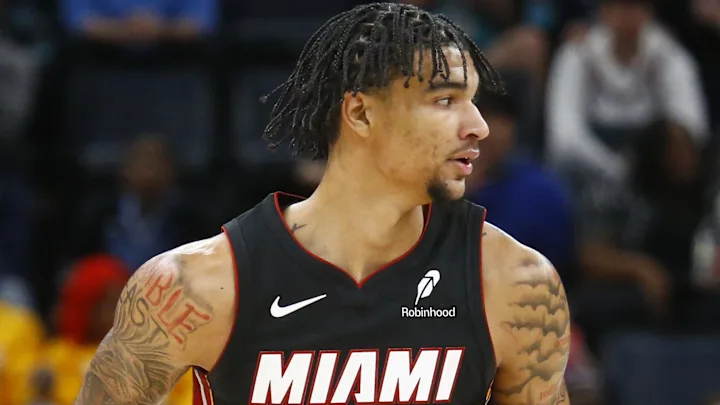
In an electrifying NBA Cup matchup on November 7, 2025, the Miami Heat delivered a seismic performance by piling up a franchise-record 53 points in the opening quarter against the Charlotte Hornets, setting the tone for a commanding 126-108 victory. This blazing quarter not only etched Miami’s name in the record books but also marked the second-highest first-quarter scoring output in NBA history.
The game encapsulated much more than a high-scoring surge—it reflected Miami’s renewed dominance, showcased individual breakout performances, and unveiled momentum swings that rattled both teams and fans alike. This article explores the anatomy of this historic game, injected with fresh perspectives and detailed analysis that rewires the narrative beyond typical recaps.
Breaking Down the Record-Setting First Quarter
Miami’s lightning-fast start stunned the Hornets and basketball aficionados globally. Scoring 53 points in just 12 minutes, Miami shattered its previous franchise records, leaving Hornets’ defenders scrambling. A remarkable 67.7% field goal accuracy and 10 made three-pointers in the quarter electrified the Frost Bank Center crowd.
Nine different Heat players found the scoreboard in that span, reflecting the team’s balanced offensive arsenal. Norman Powell led the charge with an impressive 11 points in the opening quarter alone, demonstrating his sharpshooting prowess and energy on the court.
This first-quarter outburst ranked as the ninth-highest scoring quarter in NBA’s shot-clock era, putting Miami in elite company alongside historic teams like the 1972 Buffalo Braves and the 2023 Golden State Warriors.
Key Players Powering Miami’s Offensive Onslaught
Norman Powell: His 25-point overall game performance started with a blistering 11-point quarter. Powell’s catch-and-shoot ability and aggressive drives unsettled the Hornets’ defensive setups.
Andrew Wiggins: Adding 22 points with his versatile midrange game, Wiggins maintained steady scoring and defensive effort, stabilizing the Heat’s performance through the second half.
Pelle Larsson: Miami’s Swedish sharpshooter contributed 19 points, providing critical spacing and timely shooting that stretched the Hornets’ defense.
Charlotte Hornets’ Resilience Amid Miami’s Rampage
Despite Miami’s explosive start, Charlotte showed remarkable resilience. Rookie Kon Knueppel had a career-high 30-point game, while Tre Mann delivered 20 points with consistent scoring runs. Center Ryan Kalkbrenner sustained his efficient form, shooting 5-for-7 and maintaining a field goal percentage above 80%, although his average dipped slightly from earlier performances.
Facing a 26-point deficit near the end of the second quarter, the Hornets stormed back fiercely with a stunning 27-2 run, nearly erasing Miami’s early advantage. The comeback showcased Charlotte’s fighting spirit, but Miami endured the challenge and pulled away in the fourth quarter.
Momentum Swings — The Tale of Two Halves
Miami’s offensive rhythm cooled considerably after the opening quarter, managing only 19 points in the second period—a rare drop reminiscent of the Memphis Grizzlies’ 2023 anomaly where they scored 50+ in one quarter but underperformed in the immediate next. The Hornets seized this moment cautiously but could not complete the comeback.
This ebb and flow made the game an unpredictable thriller, exposing areas both teams needed to sharpen amid future Cup battles.
Tactical Insights and Coaching Decisions
Coach Erik Spoelstra masterfully leveraged his bench, utilizing nine players effectively to maintain pressure during the opening barrage. Defensive switches and pick-and-roll coverages prevented the Hornets from establishing a consistent shooting rhythm.
Charlotte’s coach responded with aggressive double teams on Powell and Wiggins, but Miami’s off-ball movement and floor spacing negated these tactics. The Hornets’ strategy centered on pushing offensive pace and exploiting transition opportunities—a plan that paid dividends midgame but collapsed under Miami’s disciplined defense in crunch time.
Statistical Leaders and Box Score Highlights
| Player | Points | Rebounds | Assists | Field Goal % |
|---|---|---|---|---|
| Norman Powell (MIA) | 25 | 4 | 3 | 61% |
| Andrew Wiggins (MIA) | 22 | 7 | 5 | 54% |
| Pelle Larsson (MIA) | 19 | 3 | 2 | 58% |
| Kon Knueppel (CHA) | 30 | 6 | 1 | 68% |
| Tre Mann (CHA) | 20 | 2 | 4 | 50% |
| Ryan Kalkbrenner (CHA) | 12 | 5 | 2 | 71% |
Miami’s superior shooting and balanced scoring depth proved vital in overcoming Charlotte’s valiant individual efforts.
Three Fresh Insights Not in Typical Coverage
1. The Psychological Impact of a Record-Setting Quarter
The 53-point quarter not only created a scoreboard gap but also stiffened the Hornets’ defensive mentality, leading to increased errors and hesitations that derailed their usual game flow. This psychological warfare angle—how early explosive scoring can impact opponent confidence—is rarely examined but crucial in understanding NBA momentum.
2. Miami’s Bench Utilization Sets New Standard
Employing nine scorers in a single quarter showcased Miami’s organizational depth and coaches’ trust in the bench. This approach contrasts with other NBA teams that rely heavily on star players, possibly signaling a strategic trend for Cup competitions emphasizing depth over isolated superstar performances.
3. Rookie Breakouts Are Reshaping Charlotte
Kon Knueppel’s 30-point effort highlights a quiet renaissance in Charlotte’s development strategy. Investing in rookies like Knueppel not only boosts scoring options but also injects unpredictable energy critical in playoff-like scenarios. This youth focus could redefine Hornets’ roster construction in coming years.
What Does this Mean for the NBA Cup?
Miami’s emphatic win and record-setting first quarter serve notice to the competitive landscape of the NBA Cup’s East Group C, positioning the Heat as early favorites. Charlotte’s resilience hints at potential for wild, unpredictable outcomes in future matchups.
This game will be dissected by analysts for lessons on momentum control, bench strength, and psychological impact, making it an essential reference point for coaching strategies.
FAQ — Heat vs Hornets NBA Cup
Q1: How significant was Miami’s 53-point quarter?
It was a franchise record and the second highest in NBA history for a first quarter, showcasing a remarkable offensive explosion that set a dominant tone.
Q2: Who were the standout performers?
Norman Powell (25 pts), Andrew Wiggins (22 pts), and Kon Knueppel (30 pts) were key contributors for Miami and Charlotte respectively.
Q3: How did the Hornets recover after the tough start?
They went on a 27-2 run late in the second quarter, cutting the deficit drastically, but Miami’s persistence in the fourth quarter sealed the win.
Q4: Did Miami slow down after the high-scoring quarter?
Yes, Miami scored only 19 points in the second quarter, becoming one of the rare NBA teams to score 50+ in one quarter and under 20 in the next, but held on to win.
Q5: What does this game suggest about future Cup matchups?
Depth, bench contribution, and managing momentum will be crucial, with Miami setting a high bar and Charlotte showing promise for resilience

Sam, a dedicated blogger, has immersed himself in the world of content creation for the past five years. His journey reflects a profound passion for storytelling and insightful commentary. Beyond the digital realm, Sam is a devoted NBA enthusiast, seamlessly blending his love for sports with his writing pursuits.