
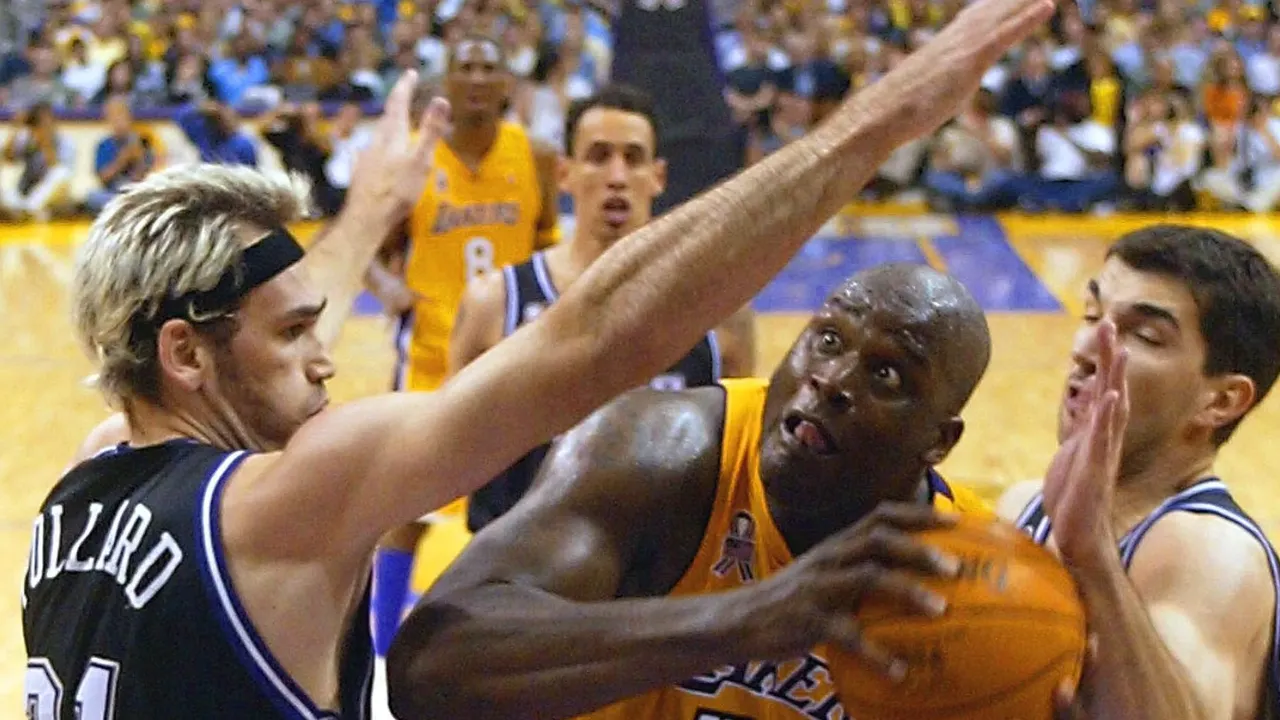
The sixth game of the 2002 Western Conference Finals between the Los Angeles Lakers and the Sacramento Kings remains one of the most debated playoff games in NBA history. Allegations that the game was intentionally manipulated still surface years later. This article explains what happened, why people suspected a fix, what investigators concluded, and how to evaluate similar claims in sports.
What made Game 6 controversial
- Unusual free throw disparity: The Lakers attempted a much larger number of free throws than the Kings, especially late in the fourth quarter—an anomaly that triggered suspicion.
- Key player fouls and ejections: Sacramento lost two big men to fouls in the fourth quarter, limiting their ability to defend in crunch time.
- High-profile allegations: Years later a former NBA referee made public claims that some officials favored the Lakers to extend the series, bringing renewed scrutiny.
- Investigations: Federal and independent investigations reviewed the game and broader allegations; results were mixed but found no conclusive proof of a league-directed fix.
Why the game mattered
This was an elimination game. The Kings were leading the series and needed one more win to reach the NBA Finals. The Lakers, pursuing a third straight championship, faced elimination and were widely popular nationally. The stakes, viewership potential, and market sizes all contributed to why any controversial calls in that game attracted intense attention.
Key facts and on-court events that fueled the controversy
- Free throw totals: Observers pointed to a very large number of free throw attempts for the Lakers, particularly in the final period. Sudden shifts in foul calls late in an elimination game raise natural questions.
- Fouling of Sacramento’s bigs: Sacramento’s centers were assessed multiple fouls and were eventually disqualified, which changed matchups in the closing minutes.
- Physical plays that were debated: Several sequences—contact under the basket, post play, and a late elbow to a King guard—were ruled in the Lakers’ favor or not called against them, drawing criticism from fans, media, and some analysts.
- Close outcome: The game was decided by a small margin and the Lakers’ victory forced a Game 7, which they won on the road, intensifying the belief among some that one game had been steered.
Who accused the game of being fixed—and why that mattered
Several post-game commentators and fans publicly criticized officiating at the time. The issue resurfaced years later when a former NBA official implicated specific playoff games in broader allegations about referee misconduct and betting. Because the accuser had admitted to betting on games and later cooperated with investigators, his claims drew attention—but also skepticism about his motives and credibility.
What investigators found
Multiple reviews followed the allegations, including federal scrutiny and an independent review by outside investigators. Key takeaways from those inquiries:
- No conclusive evidence of a league-directed fix was found. Investigators reported no proof that referees were explicitly instructed to manipulate the outcome of Game 6 to benefit one team.
- Errors and missed calls were identified. Independent reviewers described the game as poorly officiated and cataloged a number of incorrect or missed calls. Analysts concluded the mistakes were significant but did not definitively favor one side overall.
- The accuser’s credibility was complicated. Because the official who made the allegations had been convicted of betting-related crimes, prosecutors and league officials treated his claims cautiously and pursued separate reviews.
Possible explanations for what happened (beyond a fix)
Several plausible, non-conspiratorial explanations can account for the unusual patterns in Game 6:
- Human error and stress: Playoff officiating is fast and subjective. Under pressure—particularly in elimination games—referees can make misjudgments that affect the distribution of fouls.
- Player styles: Certain offensive players draw more contact and are more likely to get to the line. A dominant inside scorer or an aggressive driver can create a skew in fouls.
- Home-court influence: Studies show referees can be subtly influenced by crowd noise and environment. Close calls sometimes break in favor of the home team, especially late in games.
- Small-sample randomness: Basketball games can produce statistical outliers. An unusually high number of whistleable moments can cluster in one quarter by chance.
How to evaluate fix or manipulation claims: a practical checklist
Use this checklist when assessing allegations that a game was fixed. Strong claims usually require multiple independent indicators.
- Direct evidence: Are there verified communications, confessions, or documentation showing intent to manipulate the game?
- Consistent betting patterns: Do betting markets show suspicious volumes or directional bets tied to people with insider access?
- Independent confirmation: Have neutral investigators, regulators, or auditors verified wrongdoing?
- Pattern across games: Does the behavior appear in multiple contests officiated by the same parties, suggesting a pattern rather than a one-off error?
- Credible whistleblowers: Are accusations made by individuals with corroborated evidence, not solely by parties with clear motives to mislead?
- Statistical anomalies: Are game statistics extreme relative to expected variance, and do they align with other evidence?
Frequently asked questions
Was Game 6 officially declared fixed?
No governing body publicly declared Game 6 intentionally fixed. Investigations found officiating errors but did not produce definitive proof of manipulation ordered by the league.
Did any referees face punishment related to the game?
Public records from official investigations have not shown league discipline specifically tied to altering the outcome of that game. Some individual referees involved in broader scandals faced sanctions for unrelated misconduct, but not for direct proof of fixing Game 6.
Did the allegations change NBA officiating or transparency?
The controversy increased scrutiny on officiating practices. Over time the league expanded replay reviews, refined hand-check and contact rules, and invested in referee training and accountability measures. Those changes were driven by multiple incidents and the league’s desire to protect credibility.
Why the debate still matters today
The game highlights how officiating can shape public trust in professional sports. High-stakes contests with controversial calls tend to linger in public memory, especially when later allegations surface. Even without proof of a directed fix, the combination of sloppy officiating, high stakes, and later claims created a durable controversy that continues to influence how fans, media, and leagues think about fairness and transparency.
Game 6 of the 2002 Lakers–Kings series was badly officiated and included several calls that raised legitimate questions. However, public investigations did not produce conclusive evidence that the game was fixed by league direction or an officiating conspiracy. The incident remains a cautionary case: poorly executed officiating can look like manipulation and, without clear documentary proof, such situations are hard to resolve to everyone’s satisfaction.

Sam, a dedicated blogger, has immersed himself in the world of content creation for the past five years. His journey reflects a profound passion for storytelling and insightful commentary. Beyond the digital realm, Sam is a devoted NBA enthusiast, seamlessly blending his love for sports with his writing pursuits.